


Tactical Skills

Mental Skills

Attacking Skills

Defensive Skills


Striker
Other Positions
SS – LW
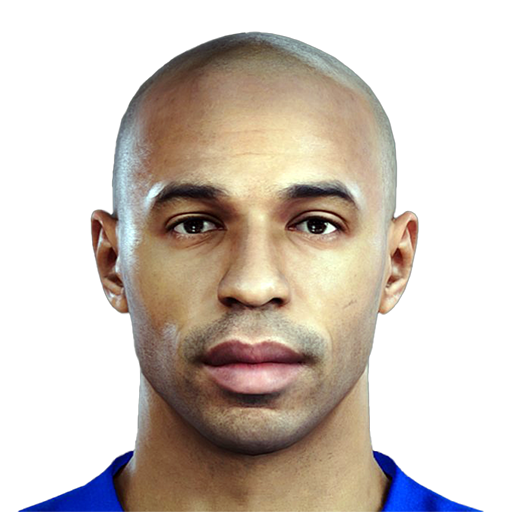
188cm x 80kg; Right Footed; Prime 2001 – 2006
– Known as Titi
– He’s Arsenal’s most prolific player ever with 228 goals
– Cuts inside
– Knocks ball past opponent
– Likes to beat man repeatedly
– Likes to lob keeper
– Places shots
– Runs with ball often
Additional Skills
Center forward and winger of extraordinary speed, great individual technique, and elegance. He was a pillar of Arsenal and the French national team for over a decade and one of the greatest strikers in the Premier League.
| Cookie | Durata | Descrizione |
|---|---|---|
| cookielawinfo-checkbox-analytics | 11 months | This cookie is set by GDPR Cookie Consent plugin. The cookie is used to store the user consent for the cookies in the category "Analytics". |
| cookielawinfo-checkbox-functional | 11 months | The cookie is set by GDPR cookie consent to record the user consent for the cookies in the category "Functional". |
| cookielawinfo-checkbox-necessary | 11 months | This cookie is set by GDPR Cookie Consent plugin. The cookies is used to store the user consent for the cookies in the category "Necessary". |
| cookielawinfo-checkbox-others | 11 months | This cookie is set by GDPR Cookie Consent plugin. The cookie is used to store the user consent for the cookies in the category "Other. |
| cookielawinfo-checkbox-performance | 11 months | This cookie is set by GDPR Cookie Consent plugin. The cookie is used to store the user consent for the cookies in the category "Performance". |
| viewed_cookie_policy | 11 months | The cookie is set by the GDPR Cookie Consent plugin and is used to store whether or not user has consented to the use of cookies. It does not store any personal data. |