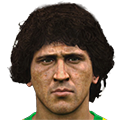

Diego MARADONA
Attacking Midfielder
Other Positions
SS
168cm x 73kg; Left Footed; Prime 1983 – 1990


Physical Skills
Technical Skills

Tactical Skills

Mental Skills

Attacking Skills

Defensive Skills

Info Box
– Known as El Pibe de Oro
– Scored 62 goals from direct free-kicks
– An attacking midfielder gifted with speed, technique and charisma
– Dictates tempo
– Likes to beat man repeatedly
– Places shots
– Runs with ball often
– Tries killer balls often
– Uses outside of foot
Additional Skills
Charismatic Leader
Free Kick Master
Midfield Maestro
Trickster


He is one of the greatest players of all time. His left foot is among the best ever, creating incredible and unthinkable curves for ordinary players. Thanks to his technical skills and immense charisma, he brought glory to two good but not exceptional teams, Napoli and the 1986 Argentina, with which he became a world champion.
According to many, the best Maradona was seen in Argentina, but it was at Napoli that he definitively established himself as one of the best players in the history of football.