

Tactical Skills

Mental Skills

Attacking Skills

Defensive Skills


Central Defender
Other Positions
RB
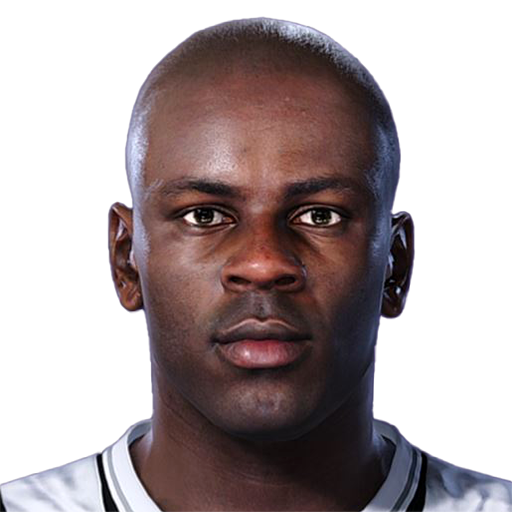
183cm x 75kg; Right Footed; Prime 1997 – 2003
– Known as The Philosopher
– A versatile and powerful defender with amazing defending skills
– Dives into tackles
Additional Skills
A central defender and fullback of great physical strength and temperament, as well as elegance and composure, Thuram has been the greatest French defender in history and one of the foremost exponents of the role. Compared to other defenders, he had the merit of maintaining a high performance standard even as a pure fullback (as seen in the victorious 1998 World Cup) or as a defender in a three-man defense at Parma.
| Cookie | Durata | Descrizione |
|---|---|---|
| cookielawinfo-checkbox-analytics | 11 months | This cookie is set by GDPR Cookie Consent plugin. The cookie is used to store the user consent for the cookies in the category "Analytics". |
| cookielawinfo-checkbox-functional | 11 months | The cookie is set by GDPR cookie consent to record the user consent for the cookies in the category "Functional". |
| cookielawinfo-checkbox-necessary | 11 months | This cookie is set by GDPR Cookie Consent plugin. The cookies is used to store the user consent for the cookies in the category "Necessary". |
| cookielawinfo-checkbox-others | 11 months | This cookie is set by GDPR Cookie Consent plugin. The cookie is used to store the user consent for the cookies in the category "Other. |
| cookielawinfo-checkbox-performance | 11 months | This cookie is set by GDPR Cookie Consent plugin. The cookie is used to store the user consent for the cookies in the category "Performance". |
| viewed_cookie_policy | 11 months | The cookie is set by the GDPR Cookie Consent plugin and is used to store whether or not user has consented to the use of cookies. It does not store any personal data. |