


Tactical Skills


Right Winger
Other Positions
–
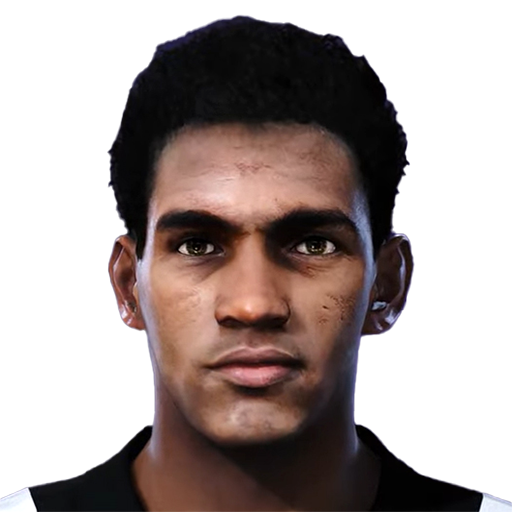
169cm x 72kg; Right Footed; Prime 1957 – 1962



– Known as Alegria do Povo
– He was born with a crooked spine, warped knees and the left leg was a couple of inches shorter than his right
– An incredibly talented and skillful winger
– Curls the ball
– Hughs line
– Knocks ball past opponent
– Likes to beat man repeatedly
– Runs with ball often
– Runs with ball down right
– Uses outside of foot
Additional Skills
| Cookie | Durata | Descrizione |
|---|---|---|
| cookielawinfo-checkbox-analytics | 11 months | This cookie is set by GDPR Cookie Consent plugin. The cookie is used to store the user consent for the cookies in the category "Analytics". |
| cookielawinfo-checkbox-functional | 11 months | The cookie is set by GDPR cookie consent to record the user consent for the cookies in the category "Functional". |
| cookielawinfo-checkbox-necessary | 11 months | This cookie is set by GDPR Cookie Consent plugin. The cookies is used to store the user consent for the cookies in the category "Necessary". |
| cookielawinfo-checkbox-others | 11 months | This cookie is set by GDPR Cookie Consent plugin. The cookie is used to store the user consent for the cookies in the category "Other. |
| cookielawinfo-checkbox-performance | 11 months | This cookie is set by GDPR Cookie Consent plugin. The cookie is used to store the user consent for the cookies in the category "Performance". |
| viewed_cookie_policy | 11 months | The cookie is set by the GDPR Cookie Consent plugin and is used to store whether or not user has consented to the use of cookies. It does not store any personal data. |







33 Responses